

Pancreatic ductal adenocarcinoma (PDAC) stands as one of the most formidable challenges in modern oncology. Characterized by late-stage diagnosis, aggressive metastasis, and a notorious resistance to conventional chemotherapy and immunotherapy, it remains a leading cause of cancer-related mortality globally. With projections suggesting it will become the second leading cause of cancer-related death within the decade, the medical community has been in a desperate search for novel therapeutic targets.
A breakthrough from the Center for Molecular Medicine Cologne (CMMC) at the University of Cologne has now unveiled a potential turning point. In a study published in Nature Communications, titled "Oncogenic KRAS-driven type I interferon signaling primes pancreatic cancer for necroptosis," researchers have identified a molecular "Achilles’ heel" in tumors driven by the KRAS oncogene. By manipulating the cellular mechanisms that regulate programmed cell death, the team has successfully demonstrated a method to induce the systematic destruction of these lethal tumor cells.
The Landscape of the KRAS Oncogene
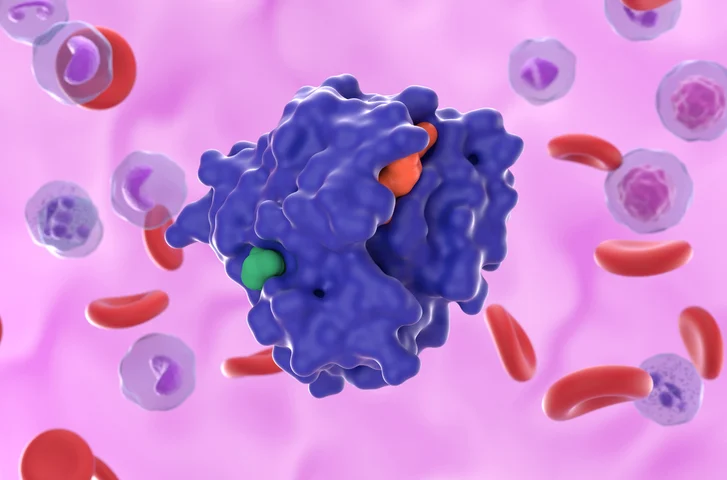
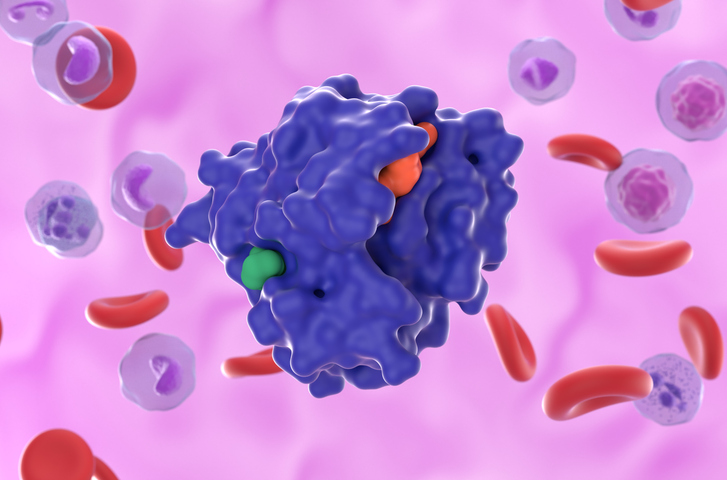
To understand the significance of this discovery, one must first understand the central villain of the piece: the KRAS protein. KRAS is a signaling molecule that acts as an "on/off" switch for cell growth. When mutated, this switch becomes permanently stuck in the "on" position, driving the uncontrolled proliferation that defines many of the most aggressive cancers, including roughly 90% of all PDAC cases.
Historically, KRAS was considered "undruggable" due to its smooth surface and lack of obvious binding pockets for small-molecule inhibitors. While recent years have seen the development of targeted therapies for specific KRAS mutations (such as G12C), the vast majority of pancreatic cancers have remained resilient. The CMMC study pivots away from trying to inhibit KRAS directly; instead, it looks at how the consequences of KRAS mutation can be weaponized against the cancer cell itself.
Chronology of the Discovery: From Signaling to Suicide
The research journey began with an investigation into the unexpected relationship between oncogenic KRAS and the innate immune system. The team, led by Dr. Silvia von Karstedt, observed that KRAS-driven pancreatic cells exhibit an unusually high level of type I interferon (IFN) signaling.
- Phase I: The IFN Signature. The researchers identified that the KRAS mutation does not merely drive growth; it forces the tumor cells to maintain a state of constant interferon signaling. While typically a protective immune response, in this context, it acted as a double-edged sword.
- Phase II: The Priming Effect. The team discovered that this IFN signaling program upregulated a suite of genes associated with necroptosis—a highly inflammatory, regulated form of cell death. Essentially, the KRAS mutation was "priming" the cells to die, but they remained alive due to a critical safety brake.
- Phase III: Identifying the Gatekeeper. The team zeroed in on caspase-8. Known primarily for its role in apoptosis (the standard, tidy form of programmed cell death), caspase-8 also acts as a molecular "gatekeeper" that suppresses necroptosis.
- Phase IV: The Proof of Concept. By deleting or inhibiting caspase-8 in mouse models and patient-derived organoids, the researchers removed the gatekeeper. The result was catastrophic for the tumor cells: they immediately underwent widespread, programmed necroptotic death.
Supporting Data: Why Caspase-8 is the Key
The data provided by the CMMC team is compelling. Through rigorous transcriptomic analysis, the researchers demonstrated that the expression of necroptosis-related genes, such as MLKL (Mixed Lineage Kinase Domain-Like protein), is significantly elevated in KRAS-mutated PDAC. MLKL is the final executioner in the necroptosis pathway; once activated, it disrupts the cell membrane, leading to cell rupture.
In genetically engineered mouse models, the surgical deletion of caspase-8 within the KRAS-driven lesions was sufficient to trigger a collapse of the tumor mass. Most impressively, this approach was effective against precursor lesions, suggesting that this mechanism could theoretically be used to intercept cancer before it reaches an advanced stage.
Furthermore, when the team applied pharmacologic caspase inhibition to human patient-derived tumor organoids, they observed a significant reduction in tumor burden. This suggests that the biological mechanism is not limited to murine models but is a fundamental property of the KRAS-driven human tumor architecture.
Official Perspectives and Expert Commentary
Dr. Silvia von Karstedt, the senior author of the study, emphasized the profound shift this discovery represents in cancer biology. "KRAS-mutated tumors have a previously unknown Achilles heel," she stated. "By switching off the tumor cells’ defense mechanisms, we can significantly kill these tumors."
The lead author of the study, Dr. Sofya Tishina, echoed this sentiment, focusing on the clinical horizon. "The findings provide strong evidence that certain forms of pancreatic cancer could be specifically targeted for treatment based on their dependence on caspase-8," Tishina noted. "In the long term, this could help develop new therapies for patients who currently have very limited treatment options."
The scientific community has reacted with cautious optimism. Independent oncologists have noted that while the transition from organoids to clinical trials is fraught with complexity, the clarity of the mechanism—targeting a reliance rather than trying to block a mutation—is a strategy that has historically yielded some of the most successful cancer drugs.
Broader Implications: Beyond the Pancreas
Perhaps the most intriguing aspect of the CMMC study is its potential for pan-cancer application. The team performed a comprehensive transcriptomic analysis across various cancer types and found that tumors exhibiting high Ras pathway activity combined with strong interferon signatures consistently showed elevated expression of necroptosis-related genes.
This suggests that the "necroptosis-priming" effect is not a quirk of pancreatic tissue but rather a broad, systemic vulnerability in many aggressive cancers. If this holds true, the therapeutic strategy of inhibiting caspase-8 could potentially be adapted for a wide range of IFN-activated malignancies, including specific subsets of lung and colorectal cancers.
Clinical Hurdles and Future Directions
Despite the excitement, the path to the clinic remains complex. Inhibiting caspase-8 systemically could potentially lead to unwanted inflammatory side effects, as the protein plays a role in the health of healthy tissues. The next phase of research will likely focus on:
- Targeted Delivery: Developing therapeutic agents that selectively inhibit caspase-8 in tumor cells while sparing healthy tissue.
- Combination Therapies: Determining whether caspase-8 inhibition can be used in tandem with existing chemotherapies or immunotherapies to enhance efficacy.
- Biomarker Identification: Creating diagnostic tests to identify which patients have the specific "IFN-high/KRAS-mutated" signature that makes their tumors vulnerable to this approach.
Conclusion: A New Frontier in Oncology
The work of the CMMC team represents a fundamental shift in how we perceive the relationship between oncogenes and the immune system. By identifying that KRAS not only drives cancer but simultaneously creates the conditions for its own demise, researchers have unlocked a potential new avenue for intervention.
As we look toward the future, the promise of "necroptosis-induction" therapies offers a glimmer of hope for patients who have been left behind by standard care. While the journey from the laboratory bench to the patient bedside is long, the discovery of this molecular Achilles’ heel provides a map for a new generation of targeted, lethal therapies against one of humanity’s deadliest diseases. The era of precision oncology, it seems, has just gained a powerful new tool in its arsenal.